Generally, you can. The only time voter's paradox does not apply is when you can reasonably believe that your vote will impact the result. Since there has never ever been a Federal election in the US that has been decided by a singular vote, it tends to be applied globally.
There have been two very close shaves... New Hampshire senate race in 1974 was 2 votes, and the Indiana 8th was a 4 vote race in 1984. Besides that you have to go back well before the civil war to find even a state election that was a single digits race.
In other countries (mainly Canada where voting populations in some places are much smaller than the US, but also some other places around the world) there have actually been some ties.
These examples don't defeat the voter's paradox though, because you can reasonably expect in a population of less than 10,000 that there's a legitimate chance that the race could be decided by a vote. So there IS logical incentive to believe that your vote may impact the result, and that your act of voting may have an ultimate impact on your life, etc.
No, they didn't.
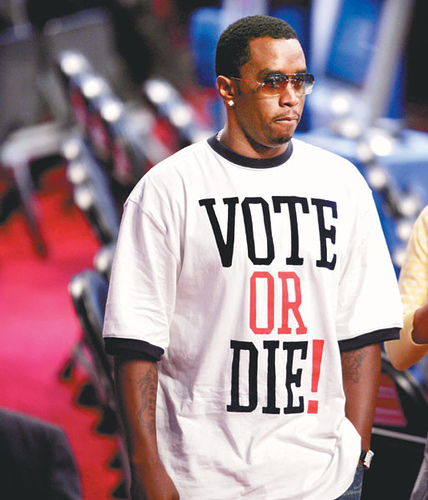
This is the part that makes it a paradox. Your vote doesn't matter, but if everyone who believes what you do and would vote for a certain candidate also accepted that their individual vote doesn't matter, then this large swath of people all becoming apathetic and not voting COULD make a difference.
Social science is a fickle beast... favorite classes I took at ND were on this kind of subject matter. Strategy in Society and American Congress. Awesome professor, better subject matter.