There were
a lot more of those jobs in the post-war period. Consultants like McKinsey have been ruthlessly culling them since the 70s.
I don't see these as distinct phenomena. The people who hyped "shareholder value" are the same ones who have been off-shoring jobs, cutting benefits, and generally making the fate of the American worker more precarious with every passing year. And that precarity is a big reason why education costs have skyrocketed, because a 4-year degree is among the last paths to a stable middle-class existence. But that path is shrinking as the degrees themselves become less valuable and the rich start pulling up the ladders they themselves climbed to the top.
Your recent contributions in this thread largely consisted of condescendingly telling a CPA and an estate/ tax planning attorney that we don't understand how much the rich
really pay in taxes, which started us off on a bad foot. I work for these people and am intimately familiar with their finances. So I know what I'm talking about here. But I apologize for calling you a bootlicker.
I made no such claim. I stated that 70 years ago, it was better to be a
blue-collar worker in America, and that is undeniably true. To the extent the GOP likes to worship a nonexistent golden age, it's the
social structures of the 50s. But they have no interest in bringing back labor unions and widespread prosperity.
You can pelt me with your elitist IPA empties if you must
It's probably an unfavorable opinion here, but I truly believe the issue at heart is not caused by individual or corporate greed, though it certainly isn't helping.
For me, it has everything to do with monetary policy, specifically fiat currency.
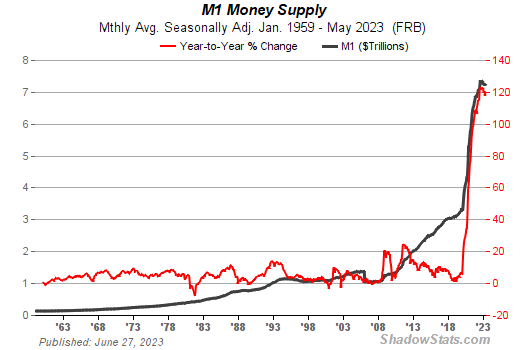
There is a whole bevy of impressive financial work done in the last 10+ years and there seems to be momentum around the idea that rise of both inequality and volatility is a results of going off the gold standard. There is still more to be studied, but the primary premise is that with more "cash" (effectively, capital) floating around the economy, it was churned over and over again to generate growth. But the biggest winners of that growth were those who had access to the growing capital. You know, the whole compounding thing.
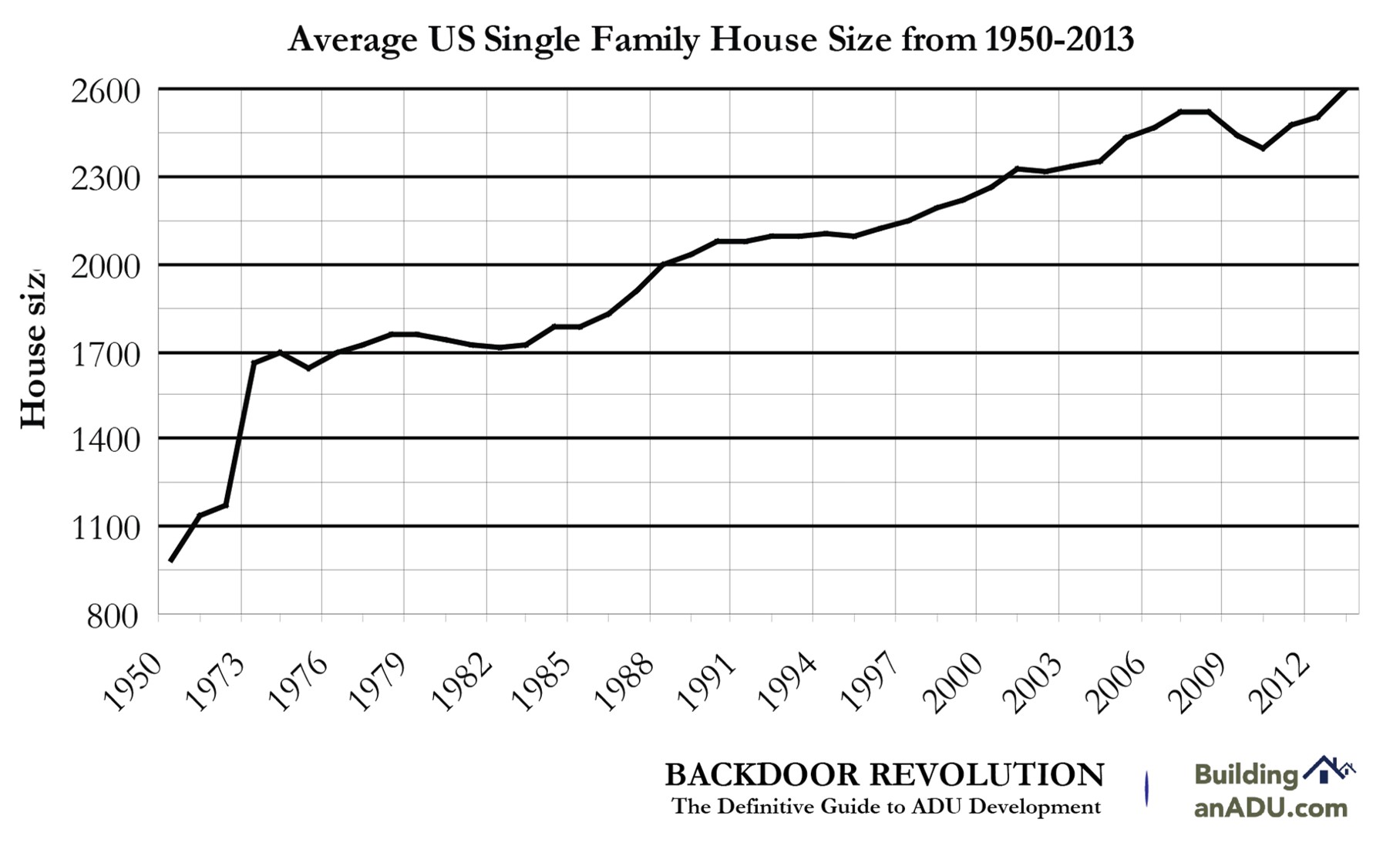
Take a look at these two charts. The similarities are striking. Once the capital had adequate time to compound, inequality started to shine through. Over time, more compounding, even more inequality. Going off the gold standard did what it was supposed to do...grow the economy. But those pesky unintended consequences have shown their face.
I honestly have no idea how, in the face if even more QE that the Fed is calling far, that inequality will be solved. You brought up the starter home example. If you are trying to build a home, profitably, on 2.5X median earnings in a community, you are either going to have to 1) build a really small home compared to recent trends or 2) have localities provide significant incentives to produce affordable homes.
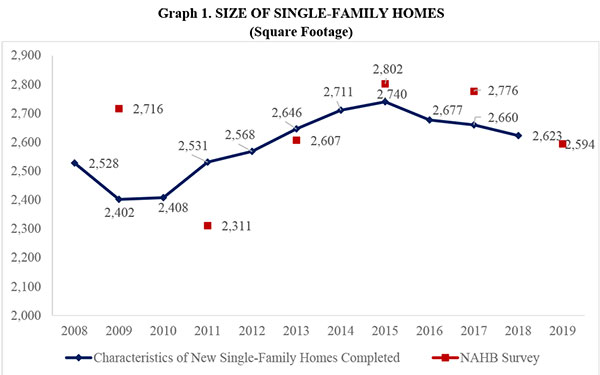
For example, according to the NHB, the average construction cost of a new home is 61% of the price of the home, and was $114 per sq foot. The median household income was $68K in 2019. For argument sake, let's say a home price target for "starter" was $200,000. Well, for that price, construction costs would need to be $122K (61% * 200K). Well, that gives you a sq footage of 1,070 feet. For reference, here is the graph of home sizes.
So, we need much smaller houses than what is generally available today. For most people, their apartment is probably as big or near the size of said "starter home" based on affordability. The irony is that the 1950 average home size was between 950-1000 square feet. When did homes start to get noticeably bigger...
August of 1971 was the birth of fiat currency. Money had to go somewhere.