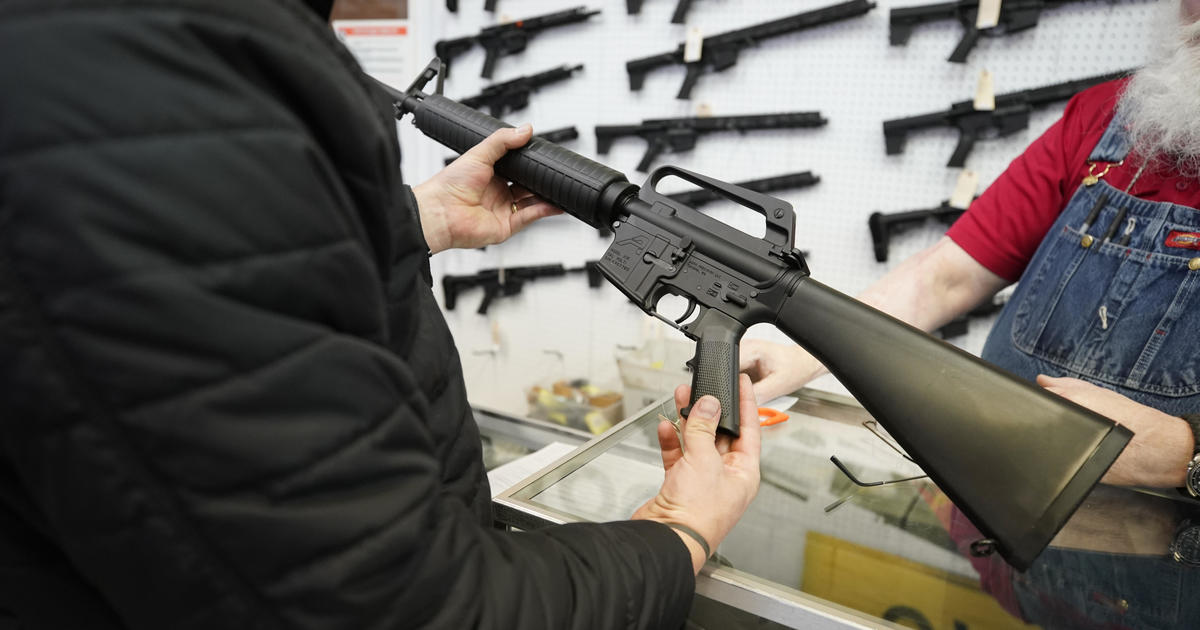
I think it's all the above. Guns have physically changed a bit since Charles Whitman in as far as the proliferation of technologies, accessories, and the refinement of some guns (AR-style rifles, for example) to reduce recoil and improve accuracy. I don't think any of this is done with specific malicious intent, just as a natural evolution of businesses trying to innovate and put products to market. My impression is that these evolutions have made it easier for a shooter to do more damage more quickly, even with limited training or experience.
In my mind, the social perception of guns has also changed. I offer this as a gut feeling that 50-60 years ago, guns weren't objectified at the same level as they are today, nor were they taken as symbols of strength or manliness to the degree they are now. Yes, we've always had the Lone Ranger, or Dirty Harry, or Predator, but it feels as if we've turned a corner on how those guns are being seen. I also feel there's an element of showiness among some gun enthusiasts that may have been more restrained years ago. The gun-themed Christmas cards that have started to become popular seem like an outgrowth of this.
Societal changes have certainly been contributing factors, but they're hard to isolate. One of the bigger ones, in my mind, is that we've effectively normalized mass shootings. The shock of a Columbine for the most part just isn't there anymore. It's been 2 weeks since a bunch of 10-11 year olds were slowly killed in so brutal a manner they were identified by DNA or their shoes, and it seems like a lot of people are past it, whether through general march of time, busy lives, or possibly a sense of hopelessness. No one is out protesting in the streets, despite people being passionate about this issue. We can't seem to find the spark to compel a change.
I think this normalization is a part of what makes it easy for a shooter to move forward with their shooting - the absence of tremendous shock and consequences on a societal level communicates that what they are about to do is a normal thing. Maybe that's part of the reason that even among adults, we see mass shootings rather than more McVeigh-style bombings.
For all the good it offers, I feel the internet also contributes by allowing for the creation of communities where this violence is celebrated and at-risk people who might otherwise have just been a town's isolated loners instead find a place where they are encouraged toward violence by others who have no stake in the game.
Other social issues that are likely contributing factors on a personal or community level:
- lack of access to coordinated mental health care
- rise in single parent households
- failures within the education system
- perception that it's harder/impossible to achieve the "American Dream"
- decreased social/economic mobility
More recent social effects are harder for me to judge, as I'm less familiar with research there and feel my own lived experienced isn't enough to have a tremendous grasp on what has changed over the years. Have we become more busy and stressed or has life always been like this? Do kids have it tougher nowadays with pervasive nature of social media making it tougher to escape difficult situations (bullying, etc.) or are we just seeing the same problems in a new media? Have we all become overwhelmed with so much information that we have to choose what we care about in a way we never had to before?
I don't think there's any one thing that has changed that we can change back to reduce gun violence and mass shootings. Investment at a community level is warranted, and we should certainly investigate and continue to try to remedy the social issues above. To do the best we can to stop this violence, we need to recognize that changes are needed at multiple levels. We need to make changes to who can access guns and when they can access them. We should examine the potential for restrictions on guns and their capacity. We should work to create cultures of growth and hope, and prioritize education and support networks for the at-risk and impoverished.