Kenya’s debt is $7.3 billion and China is its biggest lender—accounting for 72 percent of bilateral debt. While it’s still too early to see the effects of China’s investments in Kenya, public fear is festering. In December 2018, Kenyan media reported a leaked government audit alleging that the port of Mombasa, 80 percent of which is financed by China, is losing money and that defaulting on loans would result in the port’s transfer to Chinese hands. President Uhuru Kenyatta responded that the issue was “pure propaganda.”
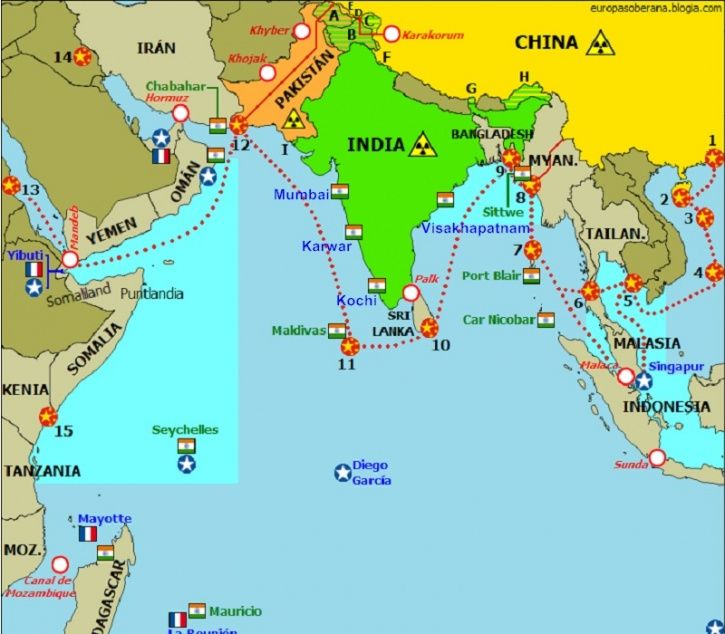
Examples of what is being coined as China’s “debt-trap diplomacy” can be found in countries across the globe, such as in Sri Lanka, where China took control of the Hambantota port after the country failed to pay back a loan. Similar projects in Djibouti and Pakistan prompted Malaysian Prime Minister Mahathir Mohamad to warn of a “new version of colonialism.” Chinese President Xi Jinping rejected the accusation when he pledged $60 billion towards African development last fall.
According to data collected by Global Coal Plant Tracker, China has more than 200 coal projects in 34 countries.According to data collected by Global Coal Plant Tracker, China has more than 200 coal projects in 34 countries. Edward Cunningham, a specialist in China’s energy markets at Harvard University, told NPR in April that China is developing or planning over 300 coal plants worldwide. Many of these projects are part of China’s Belt and Road Initiative (BRI), which is expanding infrastructure projects across coastal regions worldwide.
The BRI has a choir of critics—mainly Western governments—who worry that the initiative is a strategic attempt to gain regional political and economic influence through attractive, though opaque, transactional loans rather than the orthodox development loans from lenders such as the International Monetary Fund that come with strings attached. Chinese financing commonly comes with big contracts for Chinese construction companies and labor but few policy conditions like those attached to IMF and World Bank loans.